
Beyond the velvet ropes and clinking chips, the unique atmosphere of Britain’s casinos has long served as a captivating muse for the silver screen. From the shadowy, illicit dens of the early 20th century to the glittering, high-stakes tables of modern Mayfair, these venues have provided filmmakers with a rich tapestry of tension, character, and drama, reflecting the evolving soul of British society.
From Smoke-Filled Rooms to Cinematic Gold
The early, often illicit, gambling dens of London and Scotland provided a gritty, character-rich backdrop that filmmakers like Mike Hodges used to explore themes of luck, desperation, and class. His 1998 film ‘Croupier’ is a prime example, delving into the existential grind of casino life through the eyes of a writer-turned-dealer. These venues were far from the glamorous halls we see today; they were spaces where fortune was fleeting and the stakes were human.
The Allure of the ‘Spieler’ and Underground Clubs
In the early to mid-20th century, underground clubs known as ‘spielers’ proliferated in cities like London, particularly in areas such as Bethnal Green, which had a historic gambling culture. These were often hidden behind unmarked doors, offering games like roulette and chemin de fer to a clientele ranging from working-class locals to wealthy thrill-seekers. The clandestine nature of these spaces, filled with smoke and whispered deals, offered filmmakers a ready-made set for stories of risk and redemption.
Post-War Britain and the Cinematic Gaming Hall
After the Second World War, as Britain rebuilt, so too did its gambling scene. The legalisation of certain gaming forms led to the rise of more formalised gaming halls. These establishments, still tinged with a sense of the illicit, became settings for films that examined the social changes of the era. They served as microcosms of a society grappling with morality, wealth, and the pursuit of the American Dream on British soil.
The James Bond Effect: Glamourising the British Casino
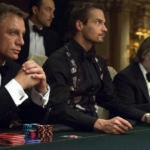
Eon Productions’ James Bond films, especially ‘Casino Royale’ (2006) filmed at London’s The Ritz Club, transformed the UK casino into a global symbol of sophistication, high-stakes tension, and suave masculinity. Bond’s association with casinos is iconic, presenting a world where espionage and elegance collide over a baccarat table.
Bond’s London: The Ritz Club and One-For-One
The Ritz Club in London, a bastion of luxury, became synonymous with Bond’s cinematic escapades. For ‘Casino Royale’, the production used the club’s opulent interiors to stage the critical poker scenes, although the game was changed from baccarat to Texas hold’em for modern audiences. Similarly, the fictional ‘One-For-One’ club in ‘Skyfall’ echoes this glamour, reinforcing the casino as a playground for the elite and a battlefield for spies.
The Formula: Tuxedos, Baccarat, and Global Espionage
The Bond formula is inextricably linked to casino culture: the tailored tuxedo, the shaken martini, and the high-stakes game of baccarat or poker. This blend of style and suspense has cemented the image of the British casino as a place where world affairs are decided not in boardrooms, but at the green felt table. It’s a narrative device that elevates gambling from pastime to plot pivot.
Grit Versus Glitz: The Two Strands of British Casino Films
UK cinema developed a distinct duality, contrasting Bond’s glamour with the harsh realism of films like ‘The Krays’ (featuring Bethnal Green’s gambling spots) and ’24 Hour Party People’ (with its Manchester casino scene). This dichotomy showcases the breadth of British film culture, from the underworld to the upper crust.
The Working-Class Gambling Drama
Films such as ‘The Krays’ (1990) delve into the gritty reality of gambling in working-class communities. The Kray twins, notorious gangsters, operated in and around Bethnal Green’s gambling dens, and the film uses these settings to portray a world where violence and vice are intertwined with everyday life. This strand of cinema offers a stark counterpoint to Bond’s gloss, focusing on the desperation and community dynamics of small-stakes betting.
Swinging Sixties and the Comedy Caper
The 1960s brought a lighter touch with comedy capers like ‘The Italian Job’ (1969), which, while not solely focused on casinos, included heist elements that played on the allure of easy money. This era saw casinos as symbols of the burgeoning consumer society, places where cheeky chaps could outwit the system, blending humour with social commentary.
Modern Takes: Anxiety, Addiction, and Auteur Vision
Contemporary British filmmakers use casinos to dissect modern anxieties, from the compulsive addiction in ‘The Gambler’ remakes to the stylish criminal underworld of Guy Ritchie’s films, often featuring London’s Les Ambassadeurs Club. These works explore the psychological depths of gambling and its place in contemporary culture.
The Psychology of the Punter
Films like the 2014 remake of ‘The Gambler’ starring Mark Wahlberg, though American, have roots in the British tradition of character studies around gambling. More locally, dramas and documentaries examine the rise of online betting and the isolation of the modern punter, reflecting societal concerns about addiction and the digitalisation of risk.
Stylised Crime and the Ritchie-esque Casino
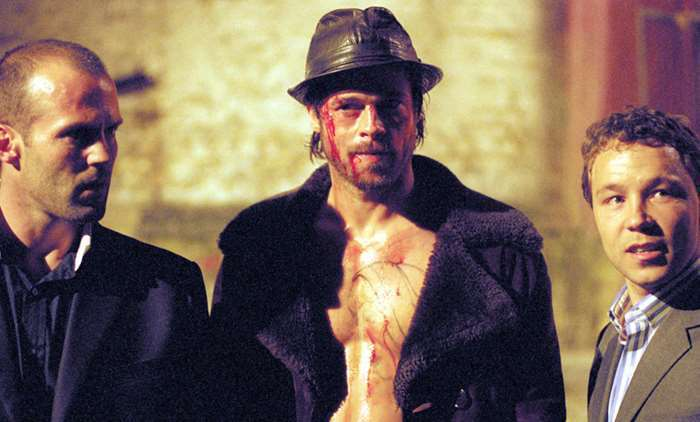
Guy Ritchie’s filmography, from ‘Lock, Stock and Two Smoking Barrels’ to ‘The Gentlemen’, often features casino scenes that are both stylish and brutal. Les Ambassadeurs Club in London has been a backdrop for such tales, where the casino is a nexus of criminal enterprise, sharp suits, and sharper dialogue. Ritchie’s use of these spaces highlights their role as arenas for power plays and moral ambiguity.
Location, Location, Location: Iconic UK Casino Film Sites
Specific British venues became cinematic icons, from the actual Aspinalls in Mayfair used in classic films to the constructed yet authentic-feeling sets at Pinewood Studios that recreate casino psychology. The choice of location is never incidental; it shapes the narrative and atmosphere of the film.
Real-Life Venues as Characters
Casinos like The Ritz Club and Les Ambassadeurs Club have played themselves on screen, lending an air of authenticity and prestige. Aspinalls, founded by John Aspinall, has been featured in numerous films due to its exclusive clientele and historic ambiance. These venues are more than settings; they become characters in their own right, embodying the allure and danger of the gambling world. Some of the most iconic real-life UK casino film locations include:
- The Ritz Club, London: Immortalised by James Bond in ‘Casino Royale’.
- Les Ambassadeurs Club, London: A frequent haunt for Guy Ritchie’s criminal ensembles.
- Aspinalls, Mayfair: A symbol of old-world opulence in British cinema.
- Bethnal Green’s historic gambling dens: The gritty backdrop for films like ‘The Krays’.
Studio Craft: Building the Perfect Casino Floor
When real locations aren’t feasible, studios like Pinewood Studios step in. The art department at Pinewood has meticulously recreated casino interiors for films ranging from Bond to independent dramas. The attention to detail—from the weight of the chips to the layout of the tables—is crucial in building a believable world that captures the psychological tension of gambling. This studio magic allows filmmakers to control every element, from lighting to sound, crafting an environment that feels both authentic and cinematically potent.
The relationship between UK casinos and filmmakers remains a high-stakes wager, continuously yielding stories that reflect the evolving soul of British society. From the gritty spielers of the past to the glamorous halls of today, these venues have provided a compelling backdrop for tales of luck, loss, and human drama, ensuring their place in the annals of cinema history.